
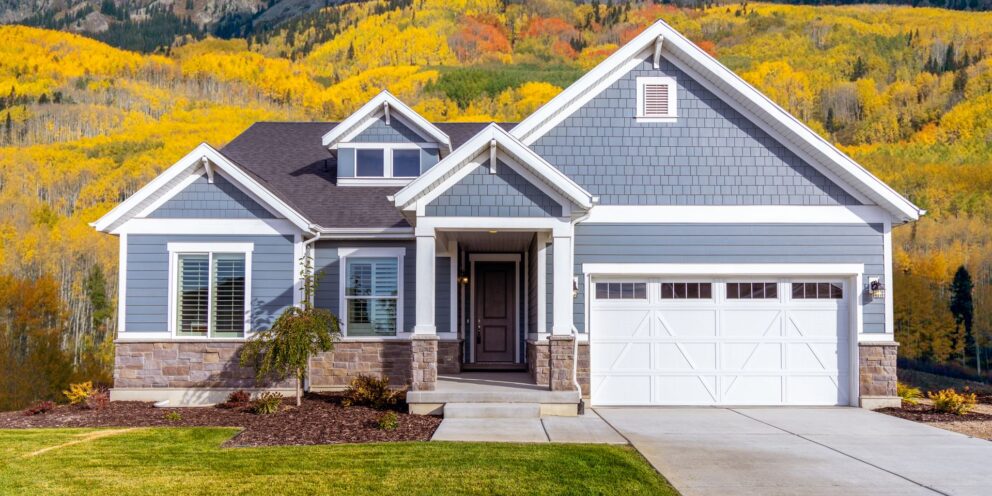
A home’s character begins taking shape long before the first wall is built, and the plot itself can influence many of the decisions that follow. Its width, depth, orientation, slope, and relationship to neighboring properties can affect how rooms are arranged, where windows face, and how outdoor spaces connect with the house. References to the wider property and development landscape, including deutsche-startups, can provide context for how changing priorities influence the way spaces are planned and used. A narrow site may encourage vertical or compact layouts, while a broader plot can allow stronger connections between interior and garden areas. Exploring these relationships reveals how the shape of a plot can quietly define a home’s identity.
How Plot Proportions Influence the Floor Plan
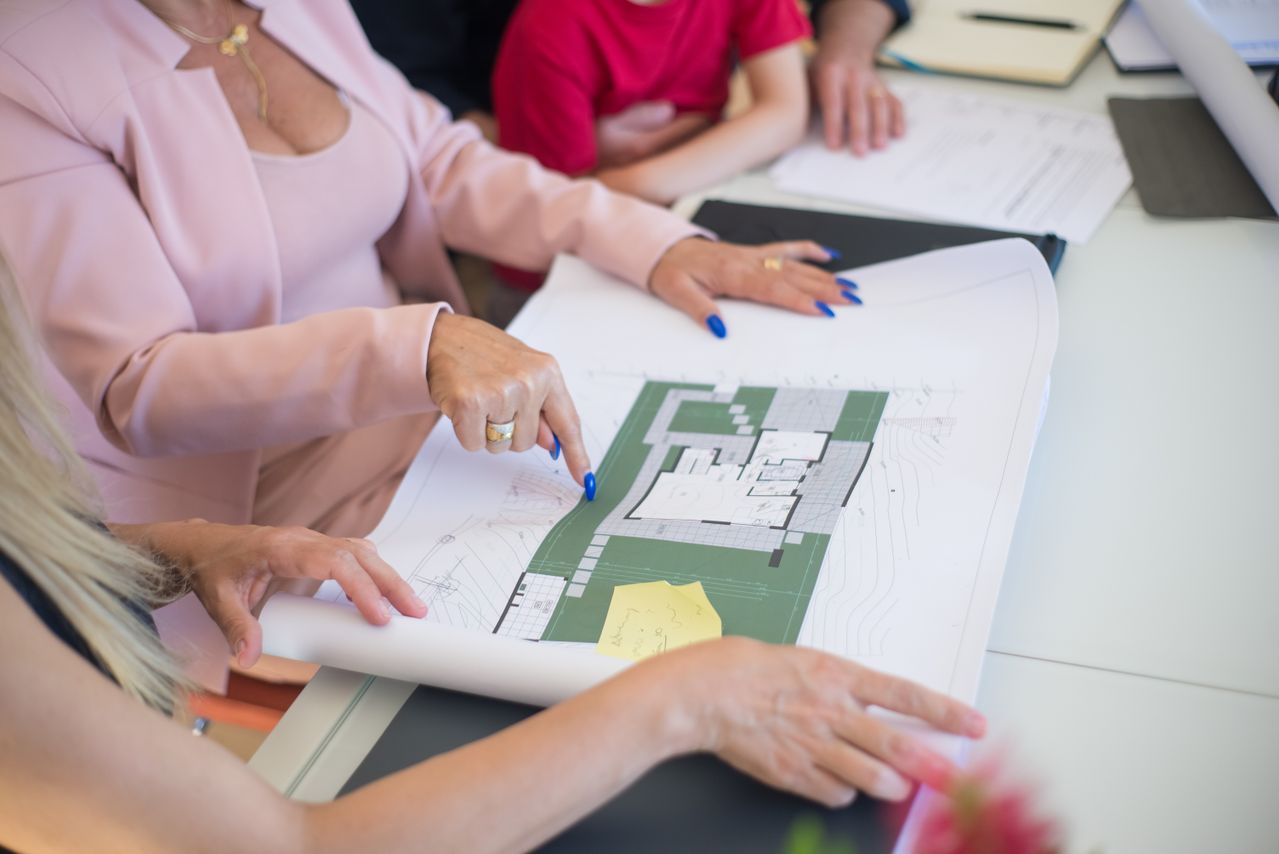
The proportions of a plot can strongly affect how a home’s rooms are arranged. A wide site may allow rooms to spread horizontally and create broader connections between indoor and outdoor areas. A narrow plot can encourage a more linear arrangement in which spaces are organized along a central circulation route. These differences influence how rooms connect, where windows can be positioned, and how movement occurs through the home. The resulting floor plan often reflects the geometry of the land rather than following a completely independent arrangement.
The Relationship Between Land Shape and Natural Light
The shape and orientation of a plot can influence opportunities for natural light. A building positioned on a constrained site may have fewer options for exterior openings on certain sides, encouraging designers to use courtyards, skylights, light wells, or carefully positioned windows. More generous plots can provide greater flexibility around the building and allow rooms to receive light from several directions. These conditions affect not only brightness but also how spaces relate to the outdoors and how daylight changes across the interior throughout the day.
How Irregular Plots Create Distinctive Spaces
Plots with unusual boundaries can encourage architectural solutions that differ from conventional rectangular homes. Angled, tapered, or uneven sections of land may lead to rooms with unusual proportions, internal courtyards, terraces, or changing building lines. While these conditions can create design challenges, they can also produce spaces with distinctive relationships to the surrounding landscape. An irregular plot may therefore influence the character of a home by encouraging architecture that responds directly to the site’s geometry rather than imposing a uniform structure upon it.
How Plot Shape Affects Privacy and Outdoor Areas
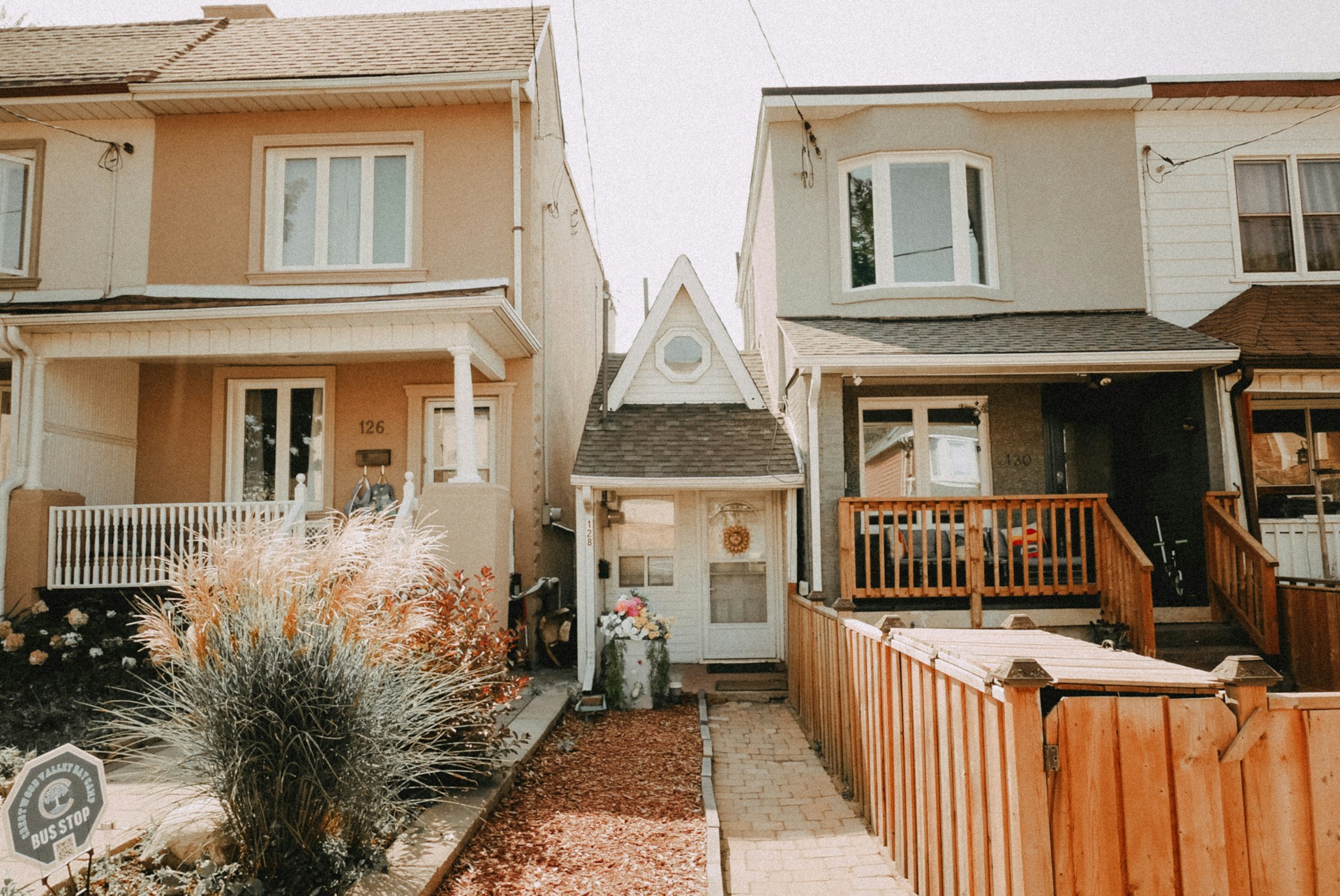
The configuration of a plot can determine where private gardens, terraces, courtyards, and other outdoor spaces can be positioned. A narrow site may encourage an inward-facing courtyard that provides outdoor space while limiting views from neighboring properties. A wider plot may allow gardens to extend beside or behind the house, creating different relationships between interior rooms and the landscape. Setbacks and neighboring buildings also interact with the shape of the land, influencing which sides of a home feel exposed and which can become more private.
The shape of a plot can influence the character of a home by shaping its floor plan, natural lighting, privacy, outdoor spaces, and relationship with the surrounding environment. Wide, narrow, irregular, and constrained sites each create different architectural possibilities and encourage different ways of organizing domestic life. The geometry of the land therefore becomes part of the design process rather than merely a boundary around the property. A home’s distinctive character often emerges from how its architecture responds to the opportunities and constraints created by the plot itself.…