
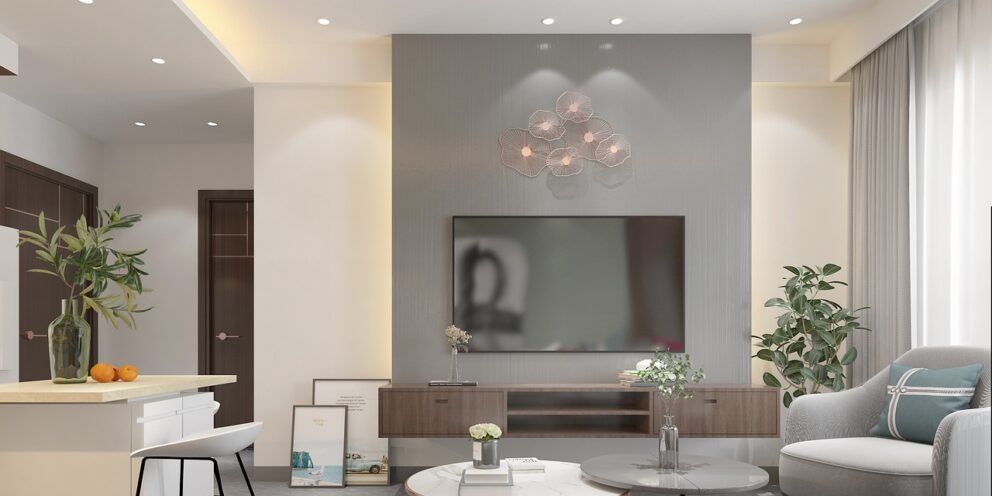
Designing a shared living space is a balancing act. It’s not just about creating a functional room it’s also about making sure that everyone who uses it feels seen. Whether you’re sharing with a partner, roommate, or family, a space needs to serve daily life while also reflecting the people living in it. This is where personality and function need to work together, not compete. Understanding how to create harmony in your space helps achieve that balance, making sure both practical needs and individual styles are thoughtfully represented.
Start With Communication
Before moving furniture or choosing paint colors, talk. Shared spaces start with shared decisions. Each person brings their own habits, preferences, and tastes. Ignoring those leads to frustration. By discussing needs and boundaries early, you reduce tension later. One person may need storage. Another might prioritize comfort. Get clear on what matters most to everyone. That becomes your foundation.
Identify Core Functions
Every shared space should first support how it’s used day-to-day. Is this room meant for relaxing, working, entertaining, or a bit of everything? Once you identify the main activities, the function becomes easier to shape. A living room shared by roommates might need more seating and outlets for charging. A family room might need storage that’s kid-friendly. Design decisions should grow from how the room needs to function. Avoid cramming in too much. Instead, choose multi-use pieces when possible. Ottomans with storage, extendable tables, and modular seating can adapt to different needs. These choices help the room serve everyone without overwhelming it.
Allow Room for Personality
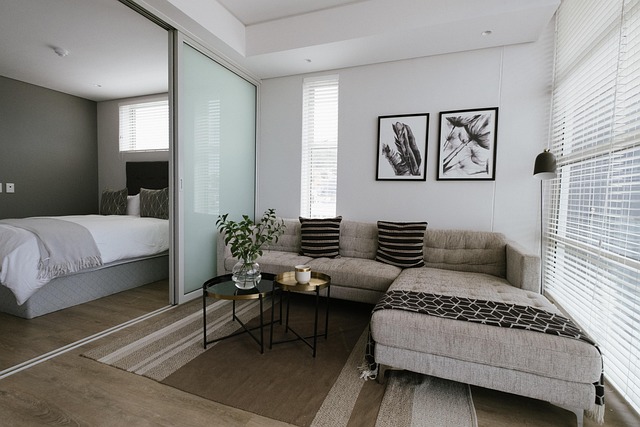
The function gives a space purpose. Personality gives it a soul. In shared spaces, the goal is not to eliminate personal style it’s to blend it. That might mean using a neutral backdrop and letting personal items stand out. A gallery wall can feature art from both people. A bookshelf can mix different collections. Balance is key. You want a space that doesn’t feel like a showroom but also doesn’t feel cluttered or chaotic. Even with different styles, there are ways to unify the look. Color is one tool. Repeating one or two tones across the room can tie it all together. Texture is another. Mixing wood, fabric, and metal from both styles can help create harmony.
Create Zones When Needed
Not every shared space has to be used the same way by everyone all the time. One of the best ways to support both personality and function is to create zones within the room. This is especially useful in small apartments or multipurpose areas. A reading nook in one corner, a work desk in another, and an open area for relaxing in between can each reflect different needs. These zones allow people to express individuality while still keeping the room visually cohesive. Area rugs, lighting, or even shelving can help define these spaces.
Keep Things Flexible
Shared living spaces often change based on time, needs, or guests. So, the design needs to be flexible. This doesn’t mean everything must be convertible, but it should allow for easy shifts. Think lightweight chairs that can be moved. Wall-mounted lights that free up surface space. Portable baskets that double as storage and décor. Flexibility also helps when personalities evolve. What worked one season might feel stale the next. Being open to small updates like swapping throw pillows or rotating art keeps the space feeling current. It also ensures everyone still feels connected to the room.
Respect Shared and Private Items
One of the subtle tensions in shared spaces is ownership. Who owns what? Which pieces are open for all to use? To maintain comfort and reduce conflict, define shared versus personal items. Maybe the couch is communal, but the side table holds one person’s books. Maybe the sound system is shared, but the throw blanket isn’t. These boundaries help with both practical and emotional balance. They ensure people don’t feel like they’ve given up too much of themselves in the name of compromise. A space where boundaries are respected becomes easier to enjoy.
In Conclusion
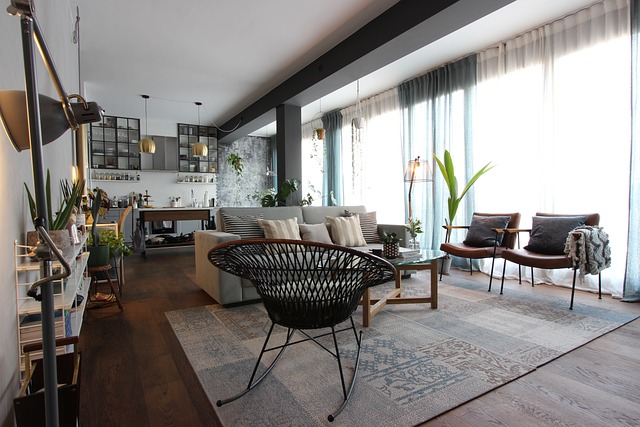
A shared space doesn’t have to stay locked in place. Refreshing it every so often gives everyone a chance to re-engage. That might be a new piece of art, rearranging the layout, or adding something that reflects a shared memory. These updates don’t have to be major. Even one change can shift the energy of the room. A refresh also gives people a reason to check-in. Has the space drifted from its original purpose? Has it started to favor one personality more than the other? Small changes can help bring it back into balance functionally and emotionally.…