
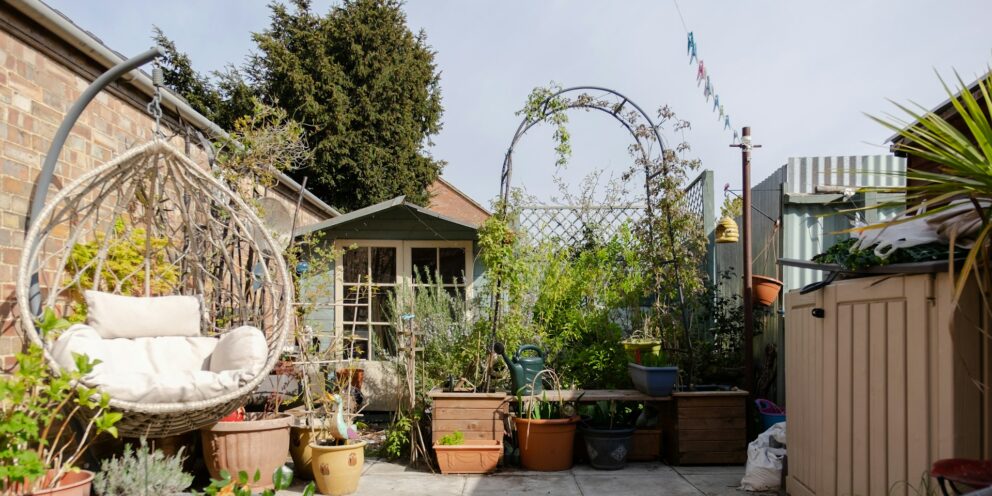
Your backyard is more than just a patch of grass—it’s an extension of your home where you can relax, entertain, and enjoy nature. Modern backyard design blends functionality with clean lines, natural textures, and thoughtful accents to create a space that feels inviting and stylish. Whether you’re working with a small patio or a sprawling yard, a few design tweaks can completely transform your outdoor area into a retreat you’ll never want to leave.
Sleek Seating and Dining Spaces
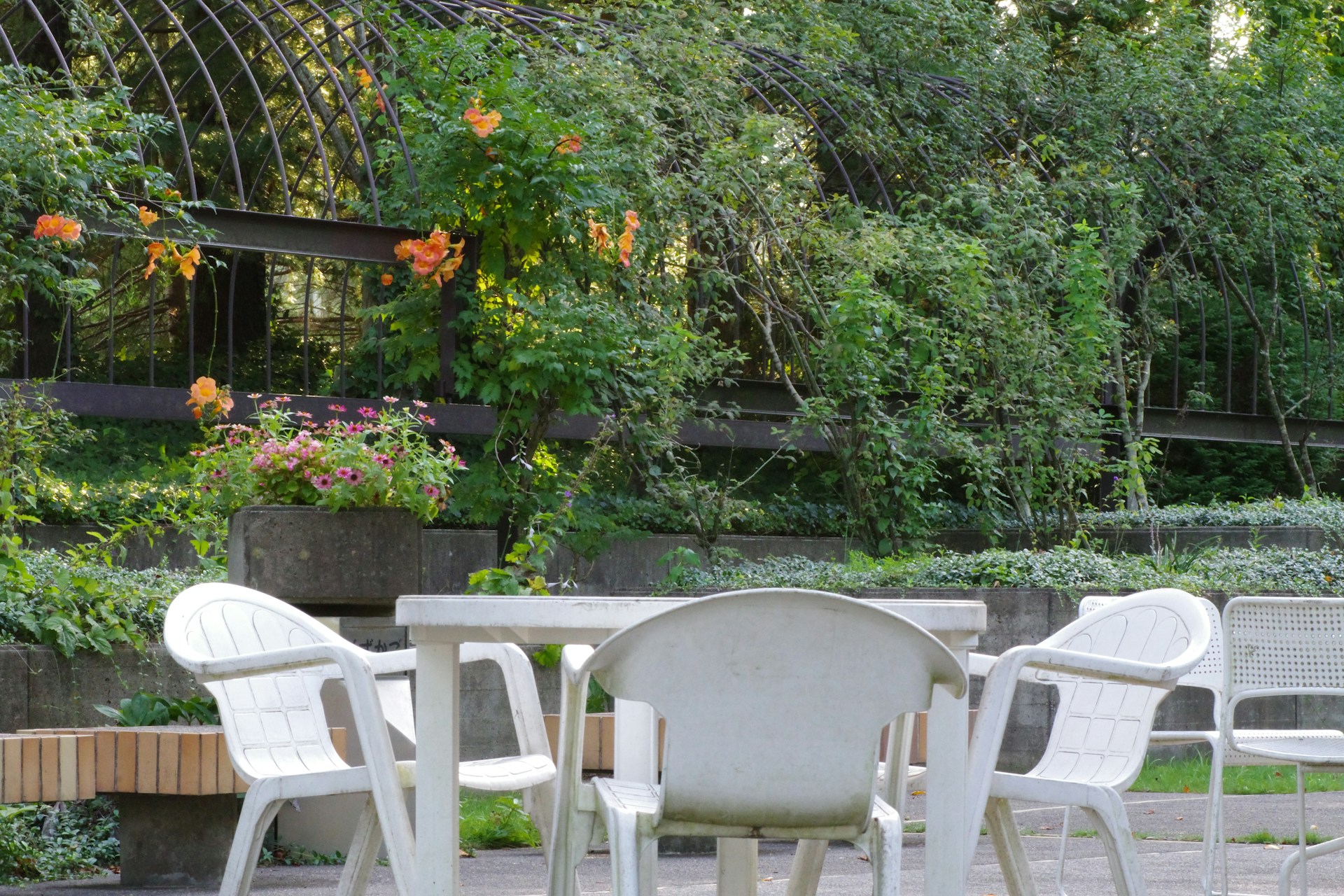
When it comes to modern backyard design, comfort and style go hand in hand. Incorporating sleek patio and garden concepts can turn a simple corner of your yard into a functional hub for dining or lounging. Think modular seating with neutral cushions, minimalist dining sets, or built-in benches with storage underneath. Arranging furniture with attention to flow ensures guests can move freely while maintaining a clean, organized look.
Adding Greenery With Intention
Plants are essential to modern backyard design, but placement and variety make all the difference. Tall grasses, structured hedges, and carefully chosen perennials can add depth and texture without overwhelming the space. Vertical gardens or potted arrangements are perfect for small patios, offering greenery while keeping floor space open. The right mix of foliage creates a sense of tranquility and highlights the overall design.
Outdoor Lighting That Sets the Mood
Lighting can completely change the ambiance of your backyard. String lights or lanterns add a warm glow for evening gatherings, while LED spotlights can highlight architectural features or garden beds. Pathway lighting not only improves safety but also adds a subtle, modern touch. Layering different lighting types ensures your backyard is both functional and visually appealing at any hour.
Water Features for Calm and Style

Adding a water element instantly elevates an outdoor space. Modern backyard design often incorporates fountains, reflective ponds, or small waterfalls that complement clean lines and minimalist structures. Even a simple water bowl or wall-mounted fountain can create soothing sounds and a focal point without overwhelming the design. Water features contribute both relaxation and a polished aesthetic.
Functional Zones for Every Activity
A modern backyard works best when it accommodates multiple activities. Create distinct zones for lounging, dining, cooking, and even play. Outdoor rugs or different decking materials can subtly define each area, while retaining a cohesive style. Planning functional zones ensures your backyard is versatile and enjoyable for family, friends, or solo relaxation.
Statement Accessories and Art

Accessories bring personality to a modern backyard. Sculptures, outdoor rugs, or colorful planters can inject character without cluttering the space. Choosing a few bold statement pieces rather than many small items keeps the look polished. Even subtle touches like patterned cushions, fire pits, or hanging planters can add charm while maintaining a modern aesthetic.
Transforming your backyard into a modern retreat is all about balancing style, comfort, and functionality. By incorporating sleek furniture, intentional greenery, layered lighting, water features, functional zones, and thoughtful accessories, you can create an outdoor space that feels both welcoming and refined. With a few design choices, your backyard can become a stylish extension of your home and a retreat where you’ll love spending time all year long.…



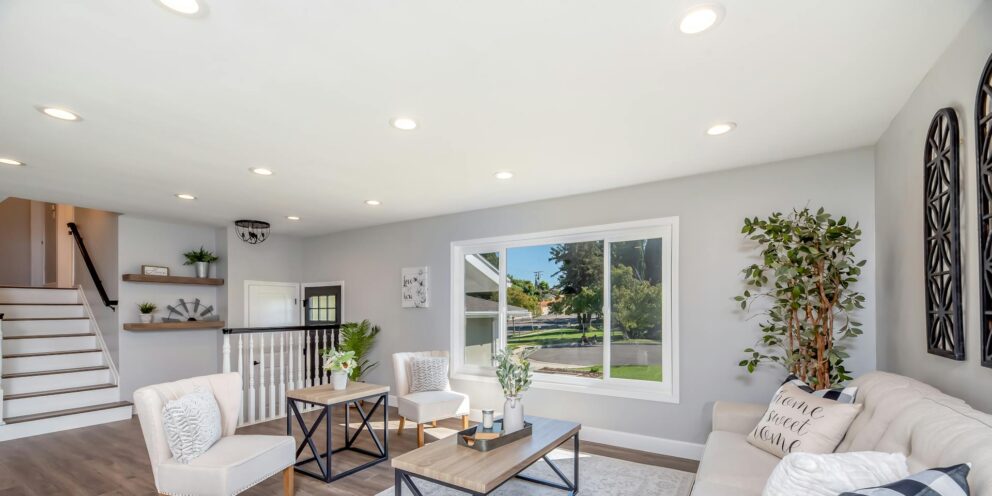
 Buyers need to see the home, not your belongings. Too many items can distract them from the actual space. Yet stripping everything away makes it feel cold and lifeless. The balance lies in decluttering while keeping enough warmth. A few carefully chosen items can give character without overwhelming the eye.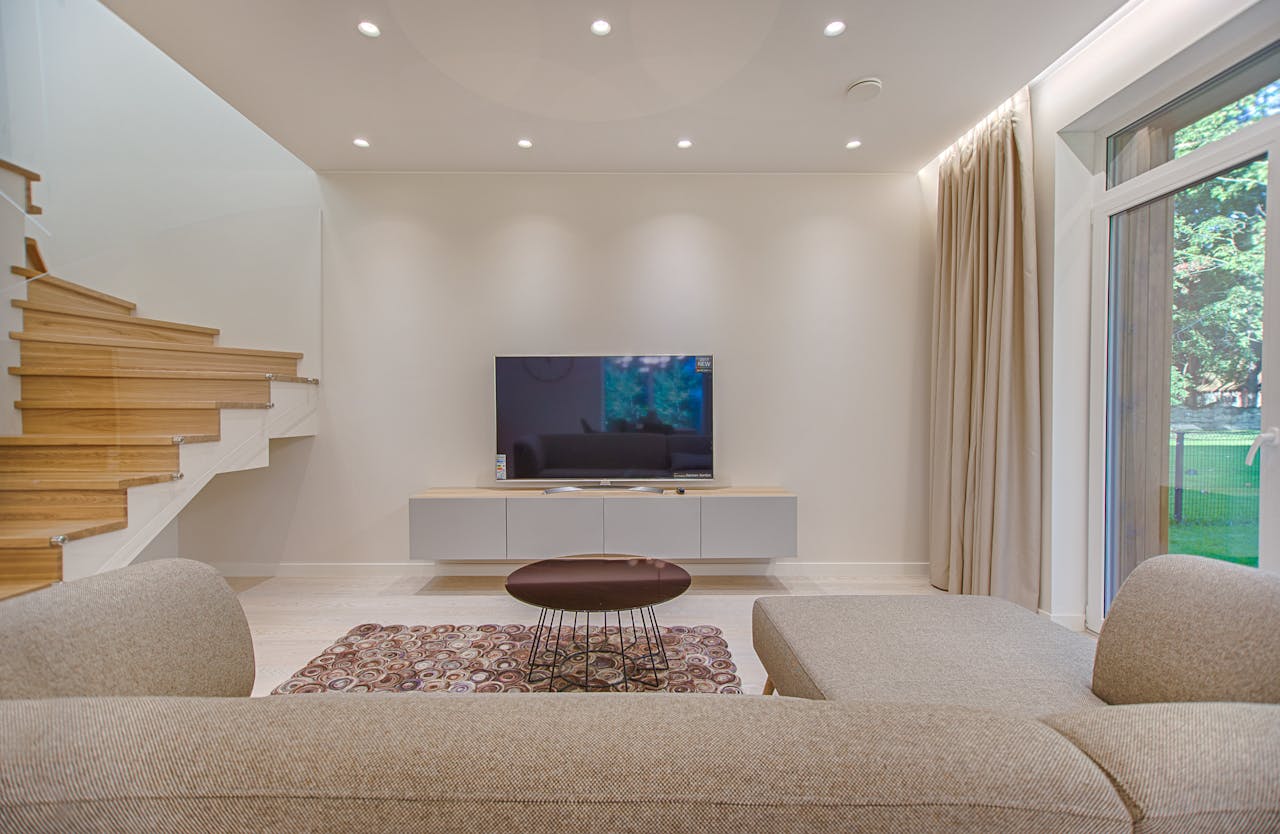


 Dog damage can add up quickly. A chewed fence post or a dug-up garden might seem trivial at first, but the costs can escalate. Repairs often require

 One of the first things you should do after moving in is change the locks. You never know how many copies of keys exist or who might have access to your home. Taking this step ensures your peace of mind. Consider upgrading to smart locks, which allow keyless entry and can be managed from your smartphone. This modern solution adds an extra layer of security while offering convenience. If your new place has a garage, don’t forget about that door too. Resetting the garage code will keep unwanted visitors out.

 Before swinging that sledgehammer, take a moment to define your objectives. What exactly do you want to accomplish with this demolition? Setting clear goals will help guide every step of the process. Are you looking to create an open-concept living space or simply remove outdated fixtures? Knowing your endgame makes decision-making easier. Visualize the final result and consider any structural changes needed. This will prevent costly mistakes down the line. Reflect on how much space you need and what must be removed versus what can stay.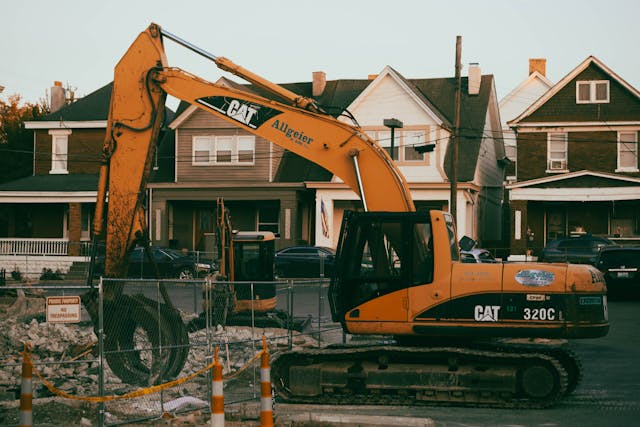



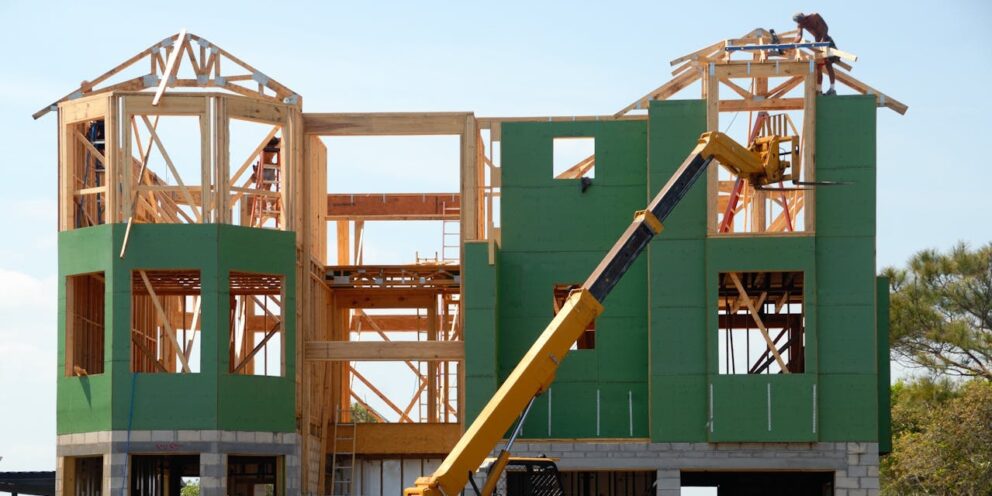
 One of the most significant advantages of building a home is the ability to tailor every aspect to suit your individual preferences from
  Building a home offers distinct advantages that cater to homeowners seeking customization, personalization, and a sense of ownership over their living


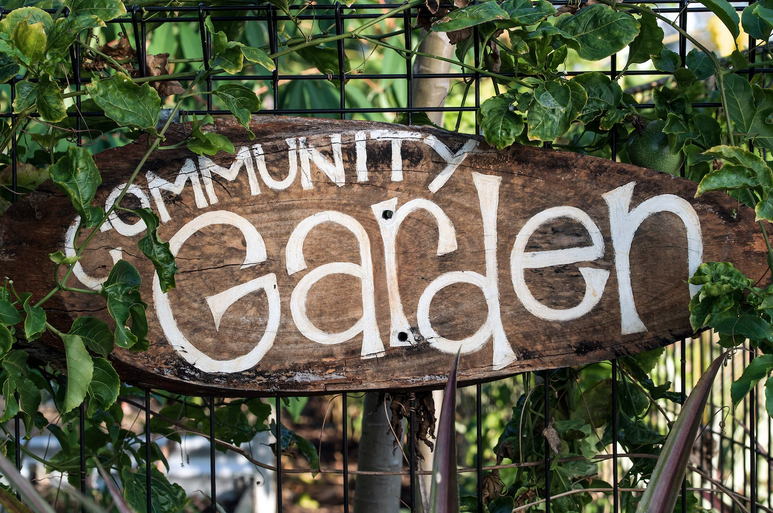
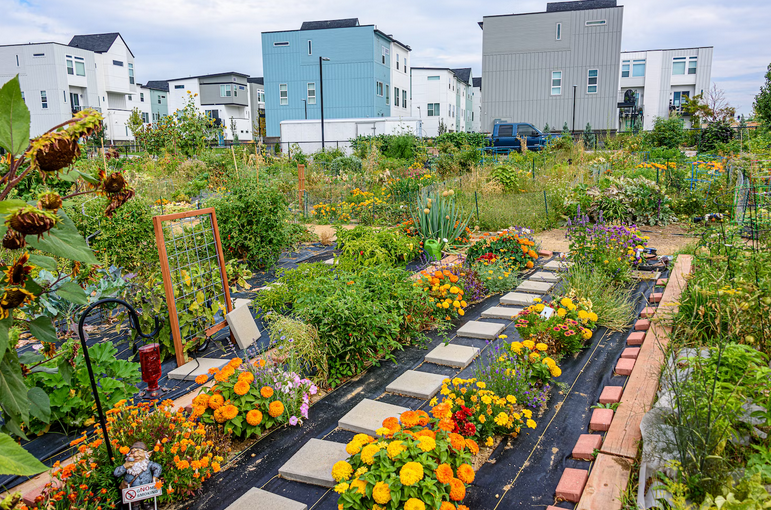
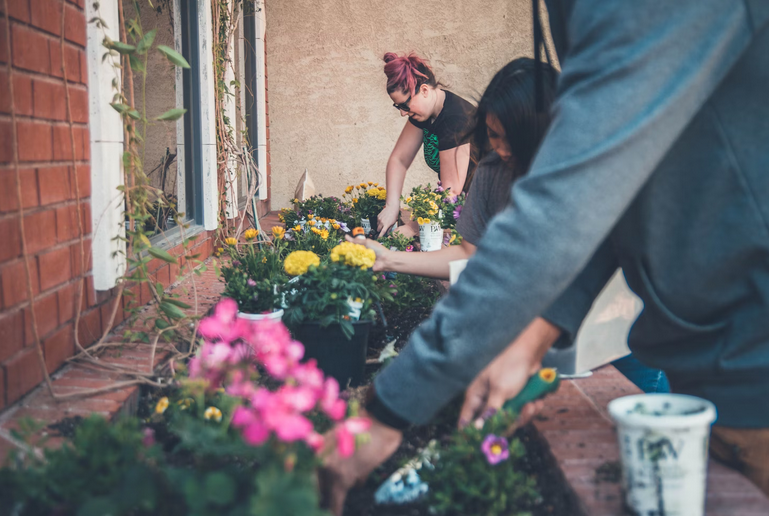
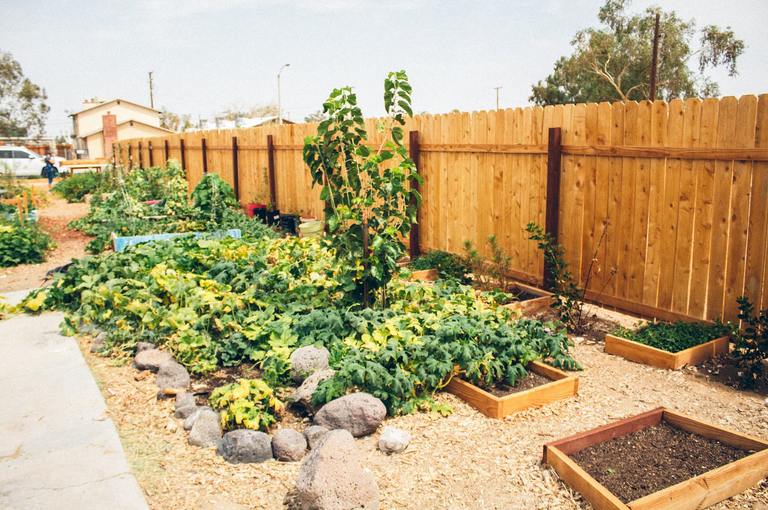
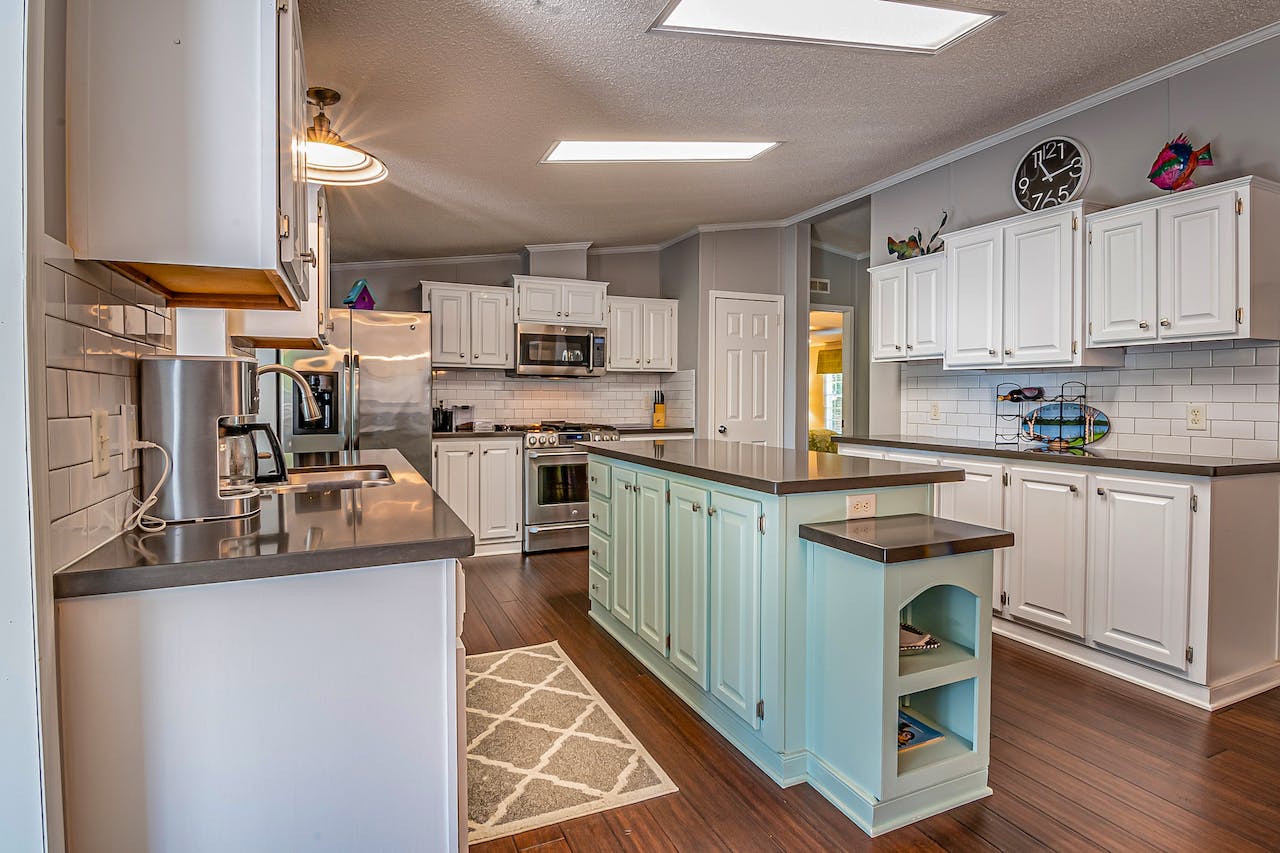
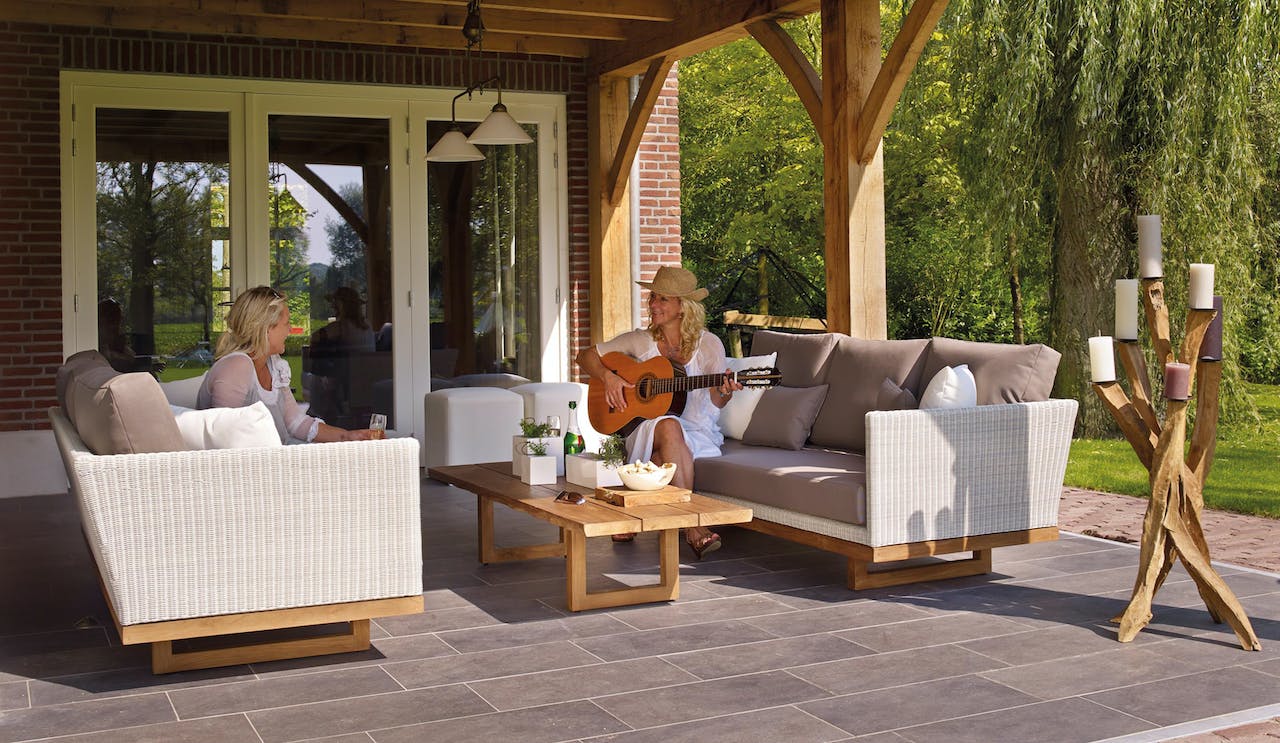



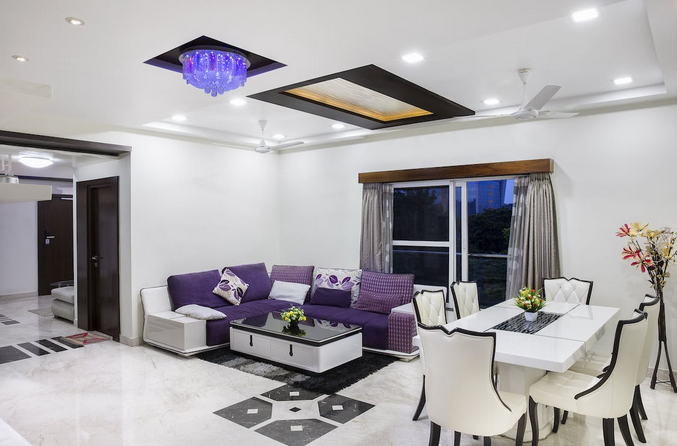
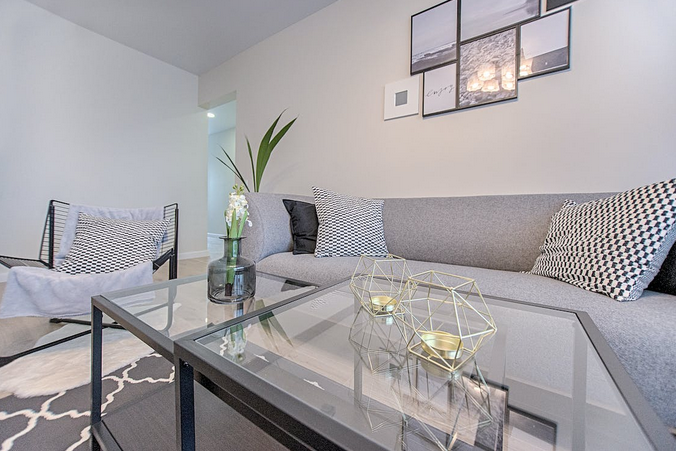
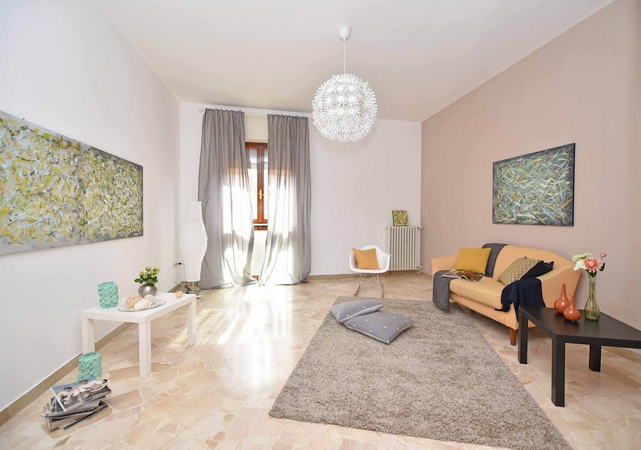
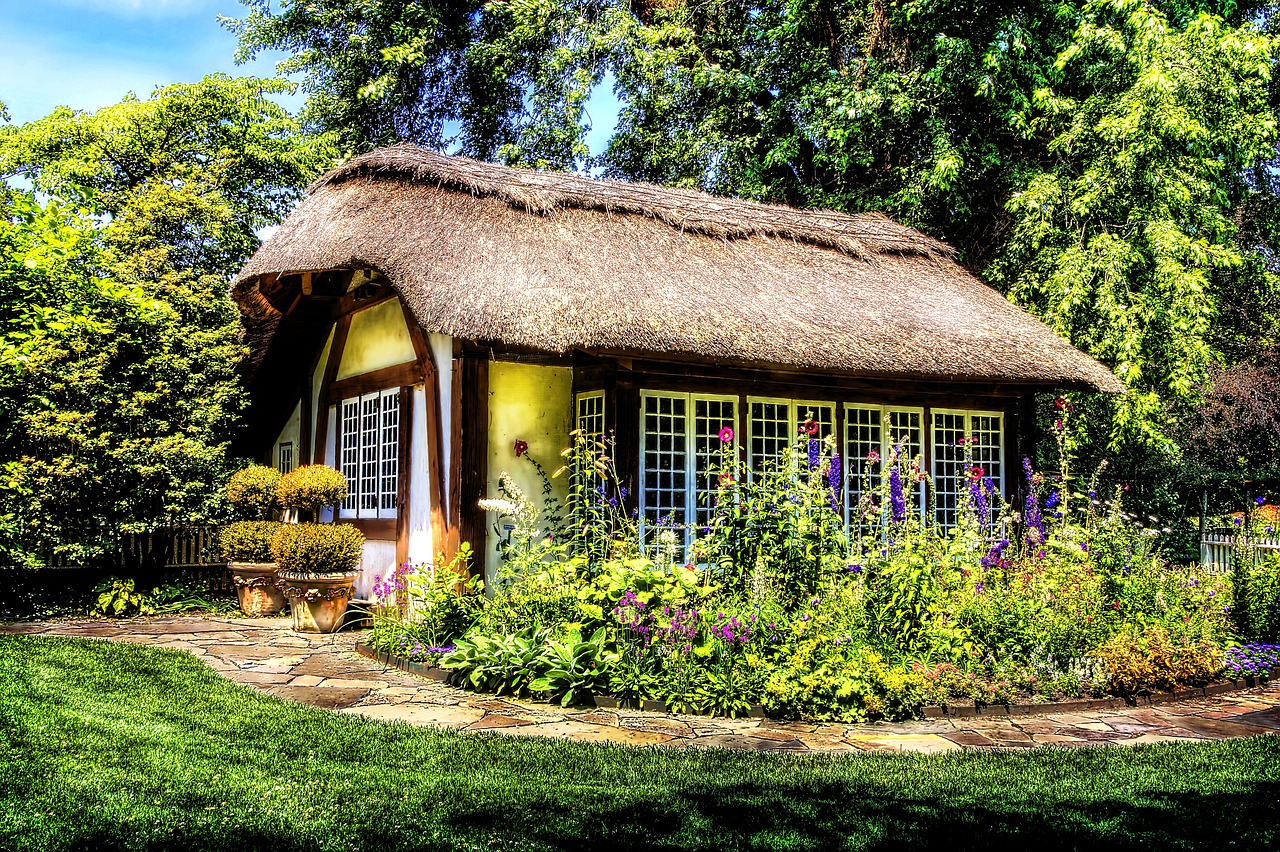
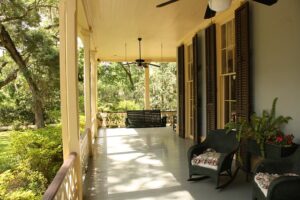 Landscaping goes beyond planting a few flowers or trimming the hedges. It’s about crafting an outdoor environment that harmoniously blends natural elements and human design, creating a space that beckons you to step outside and enjoy the beauty of the outdoors. Creative landscaping is your opportunity to infuse your personality and vision into your outdoor space, making it an extension of your home.


 Your computer and internet connection are the lifeline of your home office, so make sure they’re up-to-date and running smoothly. Investing in a good Wi-Fi router, a webcam, and possibly even a second monitor can help make your work experience easier.
 Are you working with multiple screens? Do you need to use a scanner or printer regularly? Ensure you have all the tools and peripherals handy before starting any task. Taking time beforehand to ensure everything is in order can save you time and frustration later on.
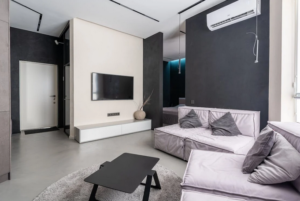 The second thing that you can do to improve your indoor air quality is to change your HVAC filter. Your HVAC system circulates the air in your home, and the filter helps to remove contaminants from the air. Over time, the filter can become clogged with dirt and dust, reducing the air quality in your home. It’s important to change your HVAC filter regularly to ensure that the air in your home is clean and healthy. If you do not do this, you and your family will suffer from respiratory problems. This has happened to many families.
 The fourth way to improve indoor air quality is to eliminate household chemicals. Many common household cleaners contain harmful chemicals that can pollute the air in your home. Choose natural cleaning products or make your own cleaners to avoid exposing yourself and your family to harmful chemicals. This can be somewhat more expensive than buying common household cleaners, but it is worth it for your health and family. The good news is that today, more and more green products are available on the market.
 This is perhaps the most apparent benefit of trees, but it bears repeating. Trees can make your property look more attractive, and this increased curb appeal can lead to a higher resale value. If you’re thinking of selling your home in the future, planting some trees could pay off. If you’re not planning on selling your home, you can still enjoy the increased property value that trees provide.
 Trees can provide plenty of other benefits, but these are just a few of the most notable ones. So if you’re thinking about planting some trees around your home estate, remember that there’s more to them than meets the eye. They can be a real asset to your property, and they can provide you with a host of benefits that you may not have even considered.…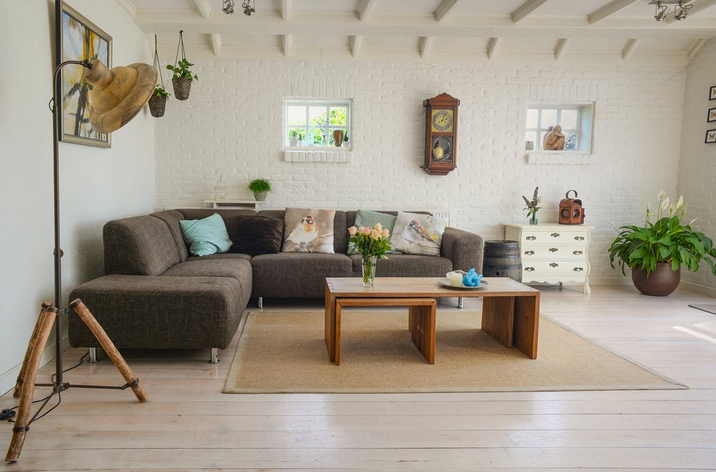
 A well water filtration system is a must-have if you have your own well. However, there are things that you should first know before getting one. By checking
 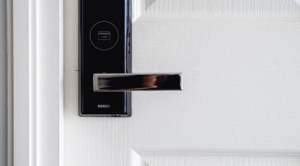 It’s important to invest in a good security system for your home. A security system can help protect you and your family from intruders. It can also help protect your belongings from theft. There are a variety of security systems available, so be sure to choose one that’s right for your needs. You should also invest in high-quality security locks for your doors and windows. These locks can help keep your home safe from intruders.
 One of the best ways to save time when doing
  If you have a family, another great way to save time is to get everyone involved in doing chores. You can assign each person a task or two that they are responsible for each week. It will help lighten your load and teach your children the importance of pitching in around the house. It can be a fun way to spend some quality time together as a family. We hope you found these tips helpful.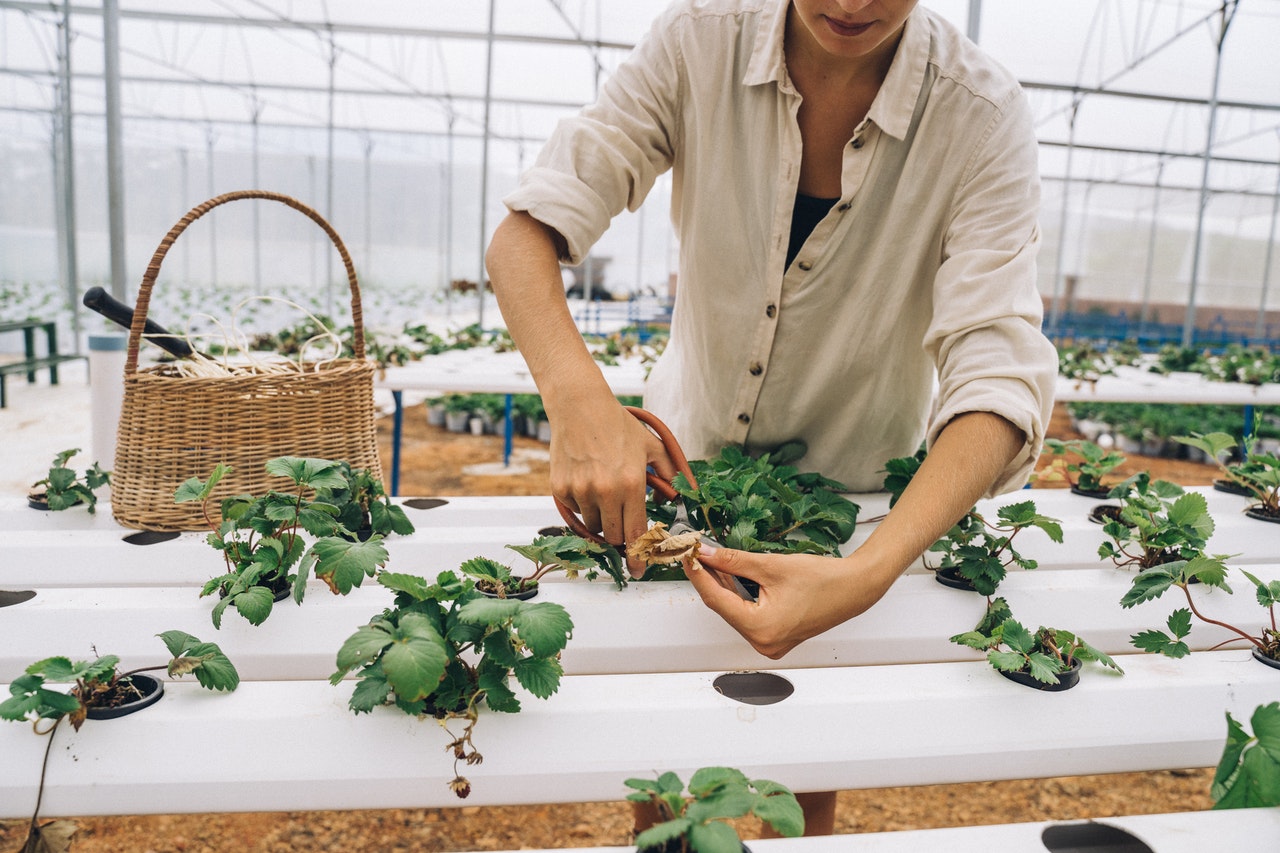
 The first step in setting up a hydroponic garden is determining which system you will use. There are many different types of hydroponic systems. Still, the most common is water culture, nutrient film technique (NFT), and ebb and flow. You can choose any plan you like, but it’s essential to do your research and make sure that the system you choose is suitable for your needs.
 Once you’ve selected the growing medium and light source, it’s time to mix and add nutrients. Most nutrient mixes come with detailed instructions, so follow the directions carefully. It’s essential to start with a low dosage of nutrients and increase from time to time as needed. You also want to ensure that your pH balances your water/nutrient mixture. The ideal pH range for most plants is between 6 to 7.
 The best way to keep your water supply clean is by drinking plenty yourself! By ensuring that you are getting enough, you can help promote healthy hydration in the family.
 Once you’ve checked your home for any noticeable contaminants or pollutants, you can check the water supply. By checking on a regular basis (at least once every two weeks), you can make sure that there are no issues with poisonous materials like lead in the water.
 One of our favorite tips from agreenhand is to always think about what you’re going through eat. For example, if you’re growing vegetables, make sure to plant things that you’ll actually eat! Not only is it more sustainable this way, but you’ll also save money on groceries.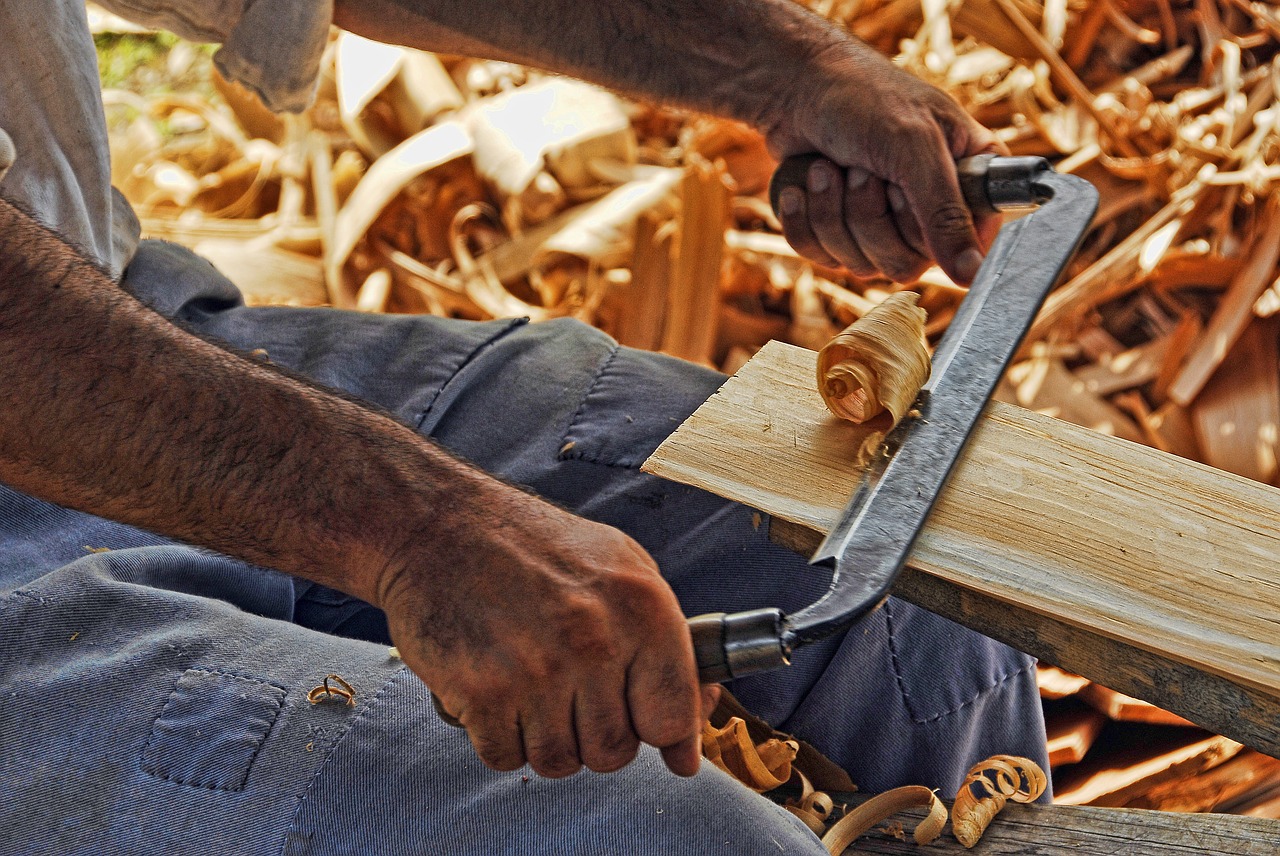
 The first consideration you should take into account is your budget. You can find woodworking tools at various price points, so it’s essential to set a budget for yourself before looking around for the right equipment. Although some of these tools are expensive, they tend to be of better quality and will last longer than cheaper models, which may require replacement down the road.
 The type of wood you are using is also an important consideration when buying woodwork tools. Different types of wood require different blades and bits to cut through them properly. For example, hardwoods such as oak are much more challenging to work with than softwoods like pine. Make sure that the tools you buy can handle the type of wood you plan on using.