
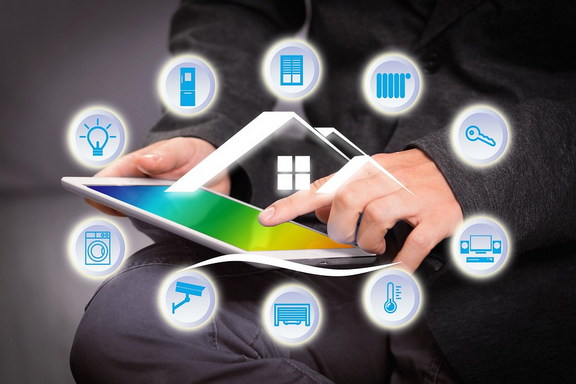
Technology has quietly—and not so quietly—woven itself into the fabric of our everyday lives. From smart thermostats to AI-powered assistants, we’re witnessing a shift in how our environments adapt to us, not the other way around. The concept of “building intelligence” goes far beyond just flashy gadgets; it’s about creating spaces that think, learn, and respond to human needs in real time. As innovation accelerates, it’s reshaping the way we live, work, and connect with the world around us.
Smart Homes as the Standard
What was once considered futuristic is now becoming the norm. Smart homes equipped with automated lighting, voice-controlled devices, and intuitive climate control systems are no longer reserved for tech enthusiasts. These systems learn user preferences, save energy, and offer unprecedented convenience. The goal is to create living spaces that anticipate needs rather than just react to them—a subtle but powerful shift toward intuitive living.
Digital Infrastructure Behind the Scenes
While the gadgets on the surface get most of the attention, it’s the invisible digital infrastructure that makes it all possible. High-speed networks, edge computing, and cloud-based platforms enable seamless communication between devices. As cities and homes adopt more connected systems, platforms like diebrandenburger.de play an increasingly important role in highlighting regional advancements and smart technology solutions that are shaping modern infrastructure. These behind-the-scenes systems are the silent enablers of intelligent environments.
Energy Efficiency Through Automation

Sustainability and smart living often go hand in hand. Technology now plays a critical role in optimizing energy use without sacrificing comfort. Smart meters, automated blinds, and learning thermostats adjust usage based on occupancy and preferences, reducing waste and lowering utility bills. As global demand for energy efficiency grows, intelligent systems are becoming indispensable tools for meeting both environmental and economic goals.
Personalized Living Through AI
Artificial Intelligence is quietly turning our homes into highly personalized environments. From custom playlists that match your mood to lighting that adjusts with the time of day, AI integrates with daily routines to create a seamless user experience. It’s not just about convenience—it’s about environments that truly understand and enhance individual lifestyles. The more these systems learn, the more they align with how we actually live.
Security That Gets Smarter

Home and building security have also entered a new era, thanks to tech innovation. Smart cameras, motion sensors, and AI-driven surveillance offer real-time monitoring and instant alerts. Some systems even recognize familiar faces and differentiate between normal activity and potential threats. It’s peace of mind, enhanced by intelligent design. For many homeowners, the blend of safety and automation is now a must-have rather than a luxury.
Cities That Think Like We Do
Intelligent living isn’t limited to homes. Cities around the world are implementing smart technologies to improve public services, manage traffic, and enhance sustainability. Smart streetlights, responsive public transport systems, and data-driven planning are becoming integral to urban life. These advancements aren’t just about efficiency—they’re about building cities that are more livable, inclusive, and in tune with their residents’ needs.
We’re standing at the intersection of technology and everyday life, where intelligence is no longer confined to devices—it’s embedded in our buildings, systems, and routines. As smart living becomes more widespread, the challenge will be balancing innovation with simplicity, privacy, and sustainability. But one thing is clear: the way we live is changing, and technology is leading the way—not just to make things easier, but to make life smarter, safer, and more connected.